“My drops of tears I’ll turn to sparks of fire”
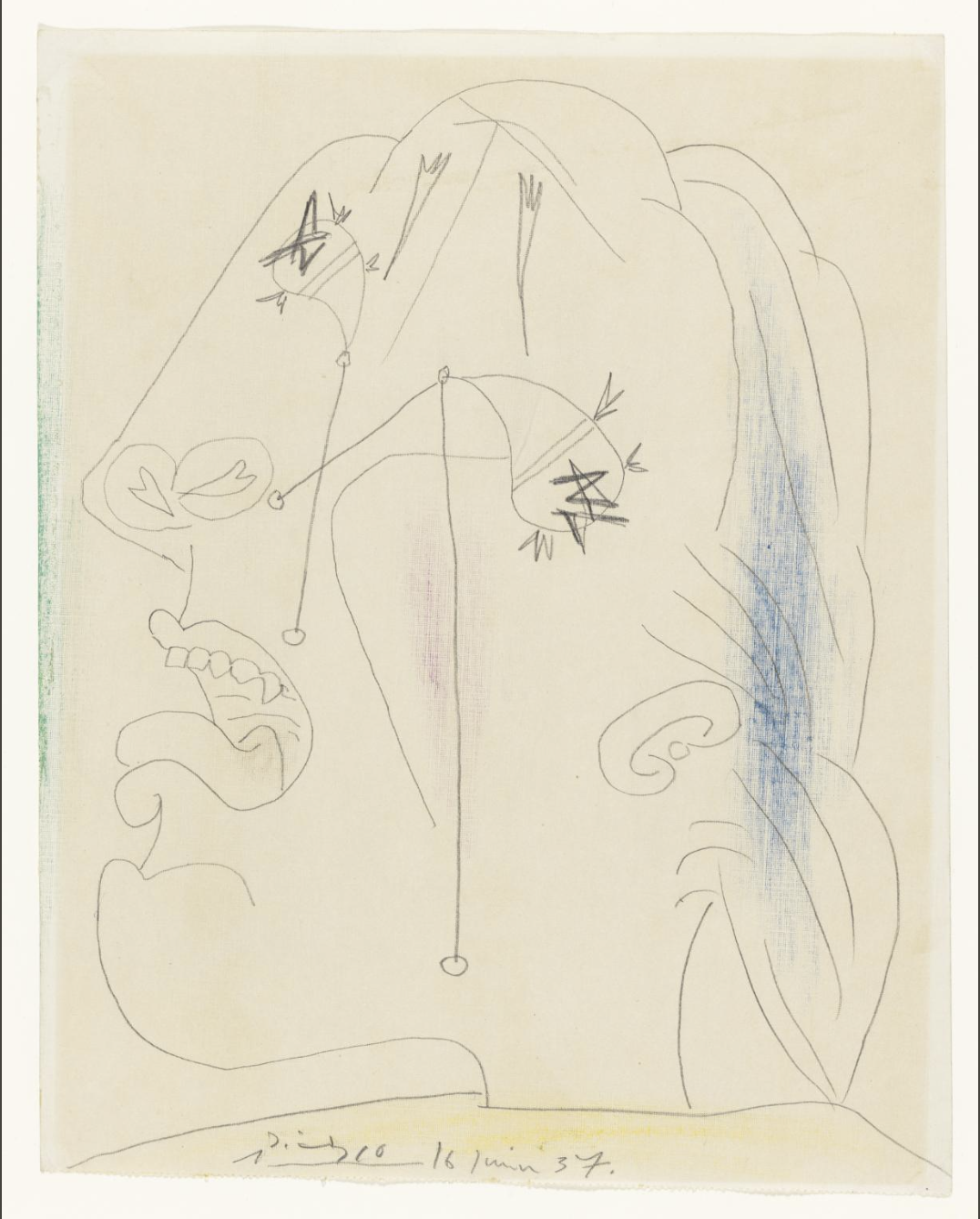
Pablo Picasso, Weeping Woman, 1937
A client recently brought this line from Shakespeare into our work together. It landed with me with as one of those phrases that manages to hold both pain and possibility in the same breath. They offered it as a way of naming something they were beginning to sense in themselves - that what had long felt like only sorrow might also contain the beginnings of transformation.
I have been thinking about this line ever since.
There is something deeply resonant here with the idea of resparking, as explored in Graham Music’s book ‘Respark’. The notion that within us - often buried beneath layers of threat, shame, and protective withdrawal - there remains a capacity for vitality, connection, and aliveness. Not something we have to build from scratch, but something that can be gently rekindled.
In Compassion Focused Therapy (CFT), we understand how easily the threat system can come to dominate, particularly for those shaped by trauma, neglect, or chronic shame. Tears, in this sense, are not just metaphorical, they are the embodied expressions of a system overwhelmed. And yet, paradoxically, those same tears can be the very place where transformation begins. Not because suffering is inherently redemptive, but because when suffering is met with compassion, something shifts.
What begins to shift is not only psychological, it is also physiological, even electrical.
Our brains are, quite literally, electrochemical organs. Every thought, every feeling, every moment of connection is carried by patterns of electrical firing across neural circuits, shaped and modulated by neurotransmitters such as dopamine, serotonin, and oxytocin. When we live under chronic threat, those circuits become organised around survival and a rapid firing through pathways of fear, vigilance, and self-protection. The body becomes primed for danger; energy is mobilised but constrained, looping in familiar patterns.
In this state, tears can feel like depletion - like the system is running down.
But when compassion enters, whether from another or cultivated within, the circuitry begins, slowly, to reorganise. Soothing and affiliative systems are engaged. Oxytocin begins to flow. The parasympathetic nervous system may soften the body’s defensive grip. New neural pathways, however tentative, begin to form. New sparks ignite.
This is resparking at a biological level - a shift in the flow of energy through the system.
From a Gestalt perspective, we might describe this as the restoration of contact and the return of aliveness to the organism. What was once blocked or fixed begins to move again. Energy that had been bound up in interruption, held in muscular tension, in dissociated experience, in unfinished emotional gestures now starts to release and circulate.
The metaphor of electricity feels apt here. When circuits are overloaded or shut down, the system either burns out or goes dark. But when conditions allow, when there is safety, connection, and enough regulation then the current can begin to flow again in a more integrated way. Not chaotic, not overwhelming, but vital, organising and alive.
The “sparks of fire” are not just poetic, they echo something real in the nervous system. Small activations. Micro-moments of change. A new pathway firing where none existed before. A different neurotransmitter balance. A softening of the old loops and the emergence of something less familiar, but more helpful.
From both CFT and Gestalt perspectives, resparking is not a dramatic ignition. It is often subtle. A moment of warmth where there was only numbness. A flicker of self-kindness where there was once only attack. A sense, however fleeting, of beginning to feel alive again.
“My drops of tears I’ll turn to sparks of fire.”
In the therapy room, this is often the work we do - we sit alongside our tears so that the system can begin to change its rhythm, so that what was once only pain becomes potential again.
